The term “sexual addiction” is used to describe the behavior of a person who has an unusually intense sex drive or an obsession with sex. Sex and the thought of sex tend to dominate the sex addict's thinking, making it difficult to work or engage in healthy personal relationships.
Sex addicts engage in distorted thinking, often rationalizing and justifying their behavior and blaming others for problems. They generally deny they have a problem and make excuses for their actions.
Sexual addiction also is associated with risk-taking. A person with a sex addiction engages in various forms of sexual activity, despite the potential for negative and/or dangerous consequences. In addition to damaging the addict's relationships and interfering with his or her work and social life, a sexual addiction also puts the person at risk for emotional and physical injury.
For some people, the sex addiction progresses to involve illegal activities, such as exhibitionism (exposing oneself in public), making obscene phone calls, or molestation. However, it should be noted that sex addicts do not necessarily become sex offenders.
Behaviors associated with sexual addiction include:
Compulsive masturbation (self-stimulation)
Multiple affairs (extra-marital affairs)
Multiple or anonymous sexual partners and/or one-night stands
Consistent use of pornography
Unsafe sex
Phone or computer sex (cybersex)
Prostitution or use of prostitutes
Exhibitionism
Obsessive dating through personal ads
Voyeurism (watching others) and/or stalking
Sexual harassment
Molestation/rape
Generally, a person with a sex addiction gains little satisfaction from the sexual activity and forms no emotional bond with his or her sex partners. In addition, the problem of sex addiction often leads to feelings of guilt and shame. A sex addict also feels a lack of control over the behavior, despite negative consequences (financial, health, social, and emotional).
How Is Sexual Addiction Treated?
Most sex addicts live in denial of their addiction, and treating an addiction is dependent on the person accepting and admitting that he or she has a problem. In many cases, it takes a significant event -- such as the loss of a job, the break-up of a marriage, an arrest, or health crisis -- to force the addict to admit to his or her problem.
Treatment of sexual addiction focuses on controlling the addictive behavior and helping the person develop a healthy sexuality. Treatment includes education about healthy sexuality, individual counseling, and marital and/or family therapy. Support groups and 12 step recovery programs for people with sexual addictions (like Sex Addicts Anonymous) also are available. In some cases, medications used to treat obsessive-compulsive disorder may be used to curb the compulsive nature of the sex addiction. These medications include Prozac and Anafranil.
Reviewed by the doctors at The Cleveland Clinic Department of Psychiatry and Psychology.
Thursday, October 8, 2009

Types of Mental Illness

There are many different conditions that are recognized as mental illnesses. The more common types include:
Anxiety disorders: People with anxiety disorders respond to certain objects or situations with fear and dread, as well as with physical signs of anxiety or nervousness, such as a rapid heartbeat and sweating. An anxiety disorder is diagnosed if the person's response is not appropriate for the situation, if the person cannot control the response or if the anxiety interferes with normal functioning. Anxiety disorders include generalized anxiety disorder, post-traumatic stress disorder ( PTSD), obsessive-compulsive disorder (OCD), panic disorder, social anxiety disorder and specific phobias.
Mood disorders: These disorders, also called affective disorders, involve persistent feelings of sadness or periods of feeling overly happy, or fluctuations from extreme happiness to extreme sadness. The most common mood disorders are depression, mania and bipolar disorder.
Psychotic disorders: Psychotic disorders involve distorted awareness and thinking. Two of the most common symptoms of psychotic disorders are hallucinations -- the experience of images or sounds that are not real, such as hearing voices -- and delusions -- false beliefs that the ill person accepts as true, despite evidence to the contrary. Schizophrenia is an example of a psychotic disorder.
Eating disorders: Eating disorders involve extreme emotions, attitudes and behaviors involving weight and food. Anorexia nervosa, bulimia nervosa and binge eating disorder are the most common eating disorders.
Impulse control and addiction disorders: People with impulse control disorders are unable to resist urges, or impulses, to perform acts that could be harmful to themselves or others. Pyromania (starting fires), kleptomania (stealing) and compulsive gambling are examples of impulse control disorders. Alcohol and drugs are common objects of addictions. Often, people with these disorders become so involved with the objects of their addiction that they begin to ignore responsibilities and relationships.
Personality disorders: People with personality disorders have extreme and inflexible personality traits that are distressing to the person and/or cause problems in work, school or social relationships. In addition, the person's patterns of thinking and behavior significantly differ from the expectations of society and are so rigid that they interfere with the person's normal functioning. Examples include antisocial personality disorder, obsessive-compulsive personality disorder and paranoid personality disorder.
Other, less common types of mental illnesses include:
Adjustment disorder: Adjustment disorder occurs when a person develops emotional or behavioral symptoms in response to a stressful event or situation. The stressors may include natural disasters, such as an earthquake or tornado; events or crises, such as a car accident or the diagnosis of a major illness; or interpersonal problems, such as a divorce, death of a loved one, loss of a job or a problem with substance abuse. Adjustment disorder usually begins within three months of the event or situation and ends within six months after the stressor stops or is eliminated.
Dissociative disorders: People with these disorders suffer severe disturbances or changes in memory, consciousness, identity, and general awareness of themselves and their surroundings. These disorders usually are associated with overwhelming stress, which may be the result of traumatic events, accidents or disasters that may be experienced or witnessed by the individual. Dissociative identity disorder, formerly called multiple personality disorder, or "split personality", and depersonalization disorder are examples of dissociative disorders.
Factitious disorders: Factitious disorders are conditions in which physical and/or emotional symptoms are experienced in order to place the individual in the role of a patient or a person in need of help.
Sexual and gender disorders: These include disorders that affect sexual desire, performance and behavior. Sexual dysfunction, gender identity disorder and the paraphilias are examples of sexual and gender disorders.
Somatoform disorders: A person with a somatoform disorder, formerly known as psychosomatic disorder, experiences physical symptoms of an illness even though a doctor can find no medical cause for the symptoms.
Tic disorders: People with tic disorders make sounds or display body movements that are repeated, quick, sudden and/or uncontrollable. (Sounds that are made involuntarily are called vocal tics.) Tourette syndrome is an example of a tic disorder. Other diseases or conditions, including various sleep-related problems and many forms of dementia, including Alzheimer's disease, are sometimes classified as mental illnesses because they involve the brain.
Reviewed by the doctors at The Cleveland Clinic Department of Psychiatry and Psychology.
Internet Addiction: Is Your Teen at Risk?

Certain Psychiatric Conditions Make Teens More Prone to Internet Addiction, Study Shows
By Caroline WilbertWebMD Health News
Reviewed by Louise Chang, MD
Reviewed by Louise Chang, MD
Kids with ADHD, hostility, social phobia, or depression may be more likely to become addicted to the Internet, according to a new study.
Researchers in Taiwan examined the relationship between psychiatric symptoms and Internet addiction in 2,162 junior high students over a period of two years. About 11% of study participants were classified as having an Internet addiction in the initial assessment.
Chih-Hung Ko, MD and colleagues from Kaohsiung Medical University Hospital in Kaohsiung City, Taiwan found that being male, playing online games, and using the Internet daily for more than 20 hours a week were risk factors for addiction.
Over the two-year follow-up, ADHD was the most significant predictor, followed by hostility. For boys, hostility was the greatest predictor, and for girls ADHD was the greatest predictor. Social phobia and depression were predictors only in girls.
Online addiction can be destructive and should be taken seriously, researchers say in their report. The addiction can hurt school performance, family relationships, and adolescents' emotional state, according to background information in the study.
"Identification of the risk factors for Internet addiction is therefore of clinical significance for the prevention of, and early intervention into, Internet addiction in adolescents," the researchers write. The study is published in the Archives of Pediatrics and Adolescent Medicine. The researchers also noted that gender differences should be taken into account during future research about Internet addiction prevention.
Friday, October 2, 2009
natural-product line: Aveda
Sure, drugstore shelves are now filled with green products. But before it was cool to be paraben-, petrochemical-, and sulfate-free, this 31-year-old company was giving us plant-based hair-, body-, and skin-care options. Today, Aveda’s still the gold standard: More than 90% of the essential oils and herbs in their offerings are certified organic, and their bottles and jars contain postconsumer recycled content.
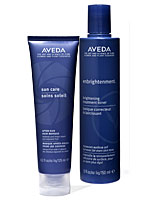
Aveda’s latest innovations: the Enbrightenment skin-care range, which uses a botanical complex to target dark spots, and the Sun Care collection, which prevents and repairs hair damage caused by warm-weather environmental culprits (e.g., the sun, chlorine, saltwater). But Aveda doesn’t just stop there. From programs that support farming collectives in developing nations to factories that run 100% on wind power (a first for a cosmetic company), Aveda is as authentic as it gets.
Aveda’s latest innovations: the Enbrightenment skin-care range, which uses a botanical complex to target dark spots, and the Sun Care collection, which prevents and repairs hair damage caused by warm-weather environmental culprits (e.g., the sun, chlorine, saltwater). But Aveda doesn’t just stop there. From programs that support farming collectives in developing nations to factories that run 100% on wind power (a first for a cosmetic company), Aveda is as authentic as it gets.
Face sunscreen
Chanel UV Essential Care SPF 30+ ($48) “This sunscreen is so hydrating that it could double as your day cream,” says Dr. Pak, who was impressed that Chanel was able to combine usually unstable, broad-spectrum sun protection (19 percent zinc oxide, the highest Dr. Pak has seen) with an incredibly moisturizing silicone base. She also raved about its texture: very lightweight and sheer, with no chalky residue.
Facial cleanser: RoC Multi-Correxion Exfoliating Cleanser ($10) Removing the top layer of dead skin cells from your face is essential to helping your products penetrate and perform their best. This wash sloughs them off but is gentle enough to use daily. “It also contains vitamins C and E, which have been shown to work together to boost the skin’s own antioxidant capabilities,” Dr. Donofrio says. “Plus, glycerin helps skin stay hydrated after washing.”
Facial cleanser: RoC Multi-Correxion Exfoliating Cleanser ($10) Removing the top layer of dead skin cells from your face is essential to helping your products penetrate and perform their best. This wash sloughs them off but is gentle enough to use daily. “It also contains vitamins C and E, which have been shown to work together to boost the skin’s own antioxidant capabilities,” Dr. Donofrio says. “Plus, glycerin helps skin stay hydrated after washing.”
Healthiest Beauty

Now more than ever, beauty products are touting real health benefits—including treating under-eye inflammation and fighting wrinkles with natural ingredients. But which are really the healthiest?
In our 11th annual beauty awards, we partnered with top dermatologists to uncover the new products that deliver on their claims. From a toner that prevents breakouts to a sunscreen that’s rich enough to sub as your face cream, here are the standouts that earned our America’s Healthiest seal. Toner: Neutrogena Oil-Free Acne Stress Control Triple-Action Toner In the war against acne, every step in your skin-care regimen counts, which is why judge Lisa M. Donofrio, MD, was thrilled with this toner. “We’re all prone to acne and this 2% salicylic acid formulation is the right dosage for the treatment and prevention of normal breakouts,” she says. An added bonus: The solution is nonirritating, tEye product: Olay Professional Pro-X Eye Restoration Complex . Who needs sleep when you have an eye cream this good? “Niacinamide, a form of vitamin B, suppresses pigmentation, so dark circles and blotchiness are reduced,” says judge Grace H. Pak, MD. “Plus it has caffeine to decrease puffiness.”
Antiaging facial moisturizer: Skinceuticals A.G.E. Interrupter .The fountain of youth might not be available in a jar (yet), but this superhydrating moisturizer comes pretty darn close. True, it’s not cheap, but it actually prevents collagen and elastin breakdown (the two big skin agers) deep in the skin with blueberry extract, while stimulating the production of new collagen, says judge Rosemarie Ingleton, MD. Translation: fewer wrinkles and less sagging.
Blemish treatment: DERMAdoctor Ain’t Misbehavin’ Intensive Skin-Correcting Sulfur Acne Mask .“Sulfur is one of the most effective ingredients in treating breakouts,” Dr. Ingleton says. “This contains 10% sulfur, which is the highest I’ve seen without a prescription.”
Lip treatment: Clarins HydraQuench Moisture Replenishing Lip Balm.msost lip treatments stop working as soon as they’re rubbed off, which means you constantly have to reapply. But Dr. Donofrio was impressed by this balm’s ability to boost lips’ own healing capabilities. “The hydrating ceramides in the formula help repair the skin’s barrier, so lips retain moisture better,” she explains. hanks to green tea and cucumber extracts.
Subscribe to:
Posts (Atom)

